Construction projects rely on countless components working together, but few are as important as the fixings that hold everything in place. Whether building internal partition walls, fitting plasterboard, or constructing an outdoor deck, selecting the correct screw ensures the finished structure remains secure, durable, and built to last. Although screws may look similar at first glance, each type is engineered for a specific purpose and performs best when used in the right application.
Among the most widely used fixings in modern construction are drywall screws and decking screws. While both are essential products, they are designed for very different environments and materials. Understanding their individual strengths helps contractors, builders, and DIY enthusiasts achieve better installation quality while avoiding unnecessary maintenance or premature failures.
Why Every Construction Project Needs the Right Fixing
The quality of any construction project depends not only on the materials selected but also on how those materials are secured. Using the correct screw improves structural stability, speeds up installation, and helps maintain the integrity of the finished build.
Different construction materials expand, contract, and respond to environmental conditions in different ways. Plasterboard requires fixings that can secure lightweight panels without damaging the paper surface, while timber exposed to outdoor conditions needs screws capable of resisting moisture, corrosion, and seasonal movement.
Selecting fixings specifically designed for each application allows every part of the structure to perform as intended while reducing the risk of repairs in the future.
Drywall Screws Keep Interior Installations Secure
Modern buildings rely heavily on drylining systems because they provide a fast, efficient, and reliable method for creating internal walls and ceilings. Whether constructing new homes, refurbishing offices, or fitting commercial interiors, plasterboard remains one of the most commonly used finishing materials.
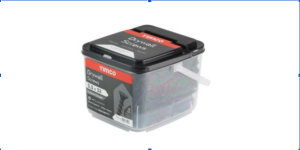
To secure these boards correctly, installers depend on drywall screws. These specialist fixings are manufactured with hardened steel, sharp points, and bugle-shaped heads that allow them to penetrate framing materials quickly while sitting neatly beneath the plasterboard surface. This creates a smooth finish that can be taped, filled, and decorated without visible fixing marks.
Unlike general-purpose screws, drywall screws are designed to reduce damage to the board while providing consistent holding strength across the entire installation.
Why Drywall Screws Work So Well with Metal Stud Systems
Metal stud framing has become the preferred choice for many internal partition walls because it offers greater dimensional stability than traditional timber. Steel studs remain straight over time and are not affected by shrinking, twisting, or warping, helping installers achieve accurate wall alignment throughout the project.
When fixing plasterboard to these lightweight steel sections, drywall screws provide the reliable connection needed to keep boards firmly in position. Their thread design allows quick penetration into metal framing while maintaining excellent grip without damaging the supporting structure.
Using the correct screw length is equally important. A screw that is too short may not provide adequate holding power, while one that is too long can slow installation unnecessarily. Following manufacturer recommendations helps ensure each fixing performs effectively and contributes to the long-term durability of the partition wall.
Best Practices When Installing Drywall Screws
Even high-quality materials can underperform if installation methods are not followed correctly. Taking the time to install fixings accurately improves both the appearance and lifespan of the completed wall.
Some recommended practices include:
- Position screws at the spacing recommended by the plasterboard manufacturer.
- Drive each screw until the head sits just below the paper surface without tearing it.
- Use the correct screw length for the board thickness and framing material.
- Keep fixings aligned to create a clean and professional finish.
- Replace any overdriven screws with a new fixing nearby to maintain holding strength.
Following these simple practices reduces the likelihood of cracked joints, loose boards, and visible fixing defects after decoration.
Decking Screws Are Built for Outdoor Performance
While drywall screws are designed for interior construction, outdoor timber projects require fixings that can cope with far more demanding conditions. Decking, fencing, pergolas, garden buildings, and timber landscaping features are constantly exposed to rain, changing temperatures, UV rays, and seasonal timber movement.
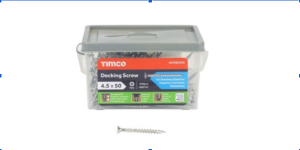
This is where decking screws provide the performance needed for long-lasting results. Manufactured with corrosion-resistant coatings and specially engineered thread designs, they are built to secure timber firmly while helping reduce splitting during installation.
Unlike standard screws, decking screws maintain their strength even when exposed to moisture over many years, making them an essential choice for external construction projects.
Selecting the Right Decking Screws for Timber Structures
Not every outdoor project requires the same type of fixing. The correct screws should be selected according to the timber, board thickness, and exposure to weather.
Pressure-treated timber benefits from corrosion-resistant screws that withstand moisture, while hardwood decking often requires specialised thread designs to reduce splitting during installation. Choosing the right fixing improves both installation quality and the lifespan of the finished structure.
Drywall Screws and Decking Screws Serve Different Purposes
Although both products are screws, they are designed for completely different applications.
Drywall screws are used for fixing plasterboard to timber or metal framing. Their bugle-shaped heads sit neatly below the board surface, creating a smooth finish ready for taping and decoration.
In contrast, decking screws are manufactured for outdoor timber projects. Their protective coatings resist corrosion, while their thread design provides excellent grip without damaging the timber.
Using the correct screw for each application improves performance and helps avoid costly installation problems.
Common Installation Mistakes to Avoid
Incorrect fixings can affect both appearance and structural performance. Some of the most common mistakes include:
- Using drywall screws for outdoor timber projects.
- Installing decking screws into plasterboard.
- Selecting the wrong screw length.
- Overdriving screws into plasterboard.
- Using standard steel screws where corrosion resistance is needed.
Following manufacturer guidance and using purpose-designed fixings helps prevent these issues.
Choosing the Right Fixing for the Job
Every construction material has different performance requirements. Plasterboard needs fixings that create a secure hold without damaging the surface, while external timber requires screws that can withstand moisture, movement, and changing weather conditions.
Selecting drywall screws for interior drylining systems and decking screws for outdoor timber construction ensures each material performs as intended. Using the correct fixing also improves installation efficiency and reduces future maintenance.
Conclusion
Choosing the correct fixing is a simple decision that has a lasting impact on construction quality. Drywall screws provide the secure, clean fixing required for plasterboard and metal stud systems, while decking screws deliver the durability needed for external timber applications. Matching each screw to its intended use improves installation quality, extends the lifespan of the finished structure, and helps ensure reliable performance for years to come. For builders and contractors looking for dependable construction products, Insulation Point Limited offers a comprehensive range of quality building materials and fixings to support projects of every size.